BPC-157 in Vietnam
BPC-157 is one of the most commonly discussed recovery-focused research peptides. It is often researched in connection with soft tissue repair, tendon and ligament models, gut health, and injury recovery pathways.
This page gives a practical overview of BPC-157 research uses, reference pricing, common research protocols, reconstitution examples, syringe-unit calculations, and vial duration.
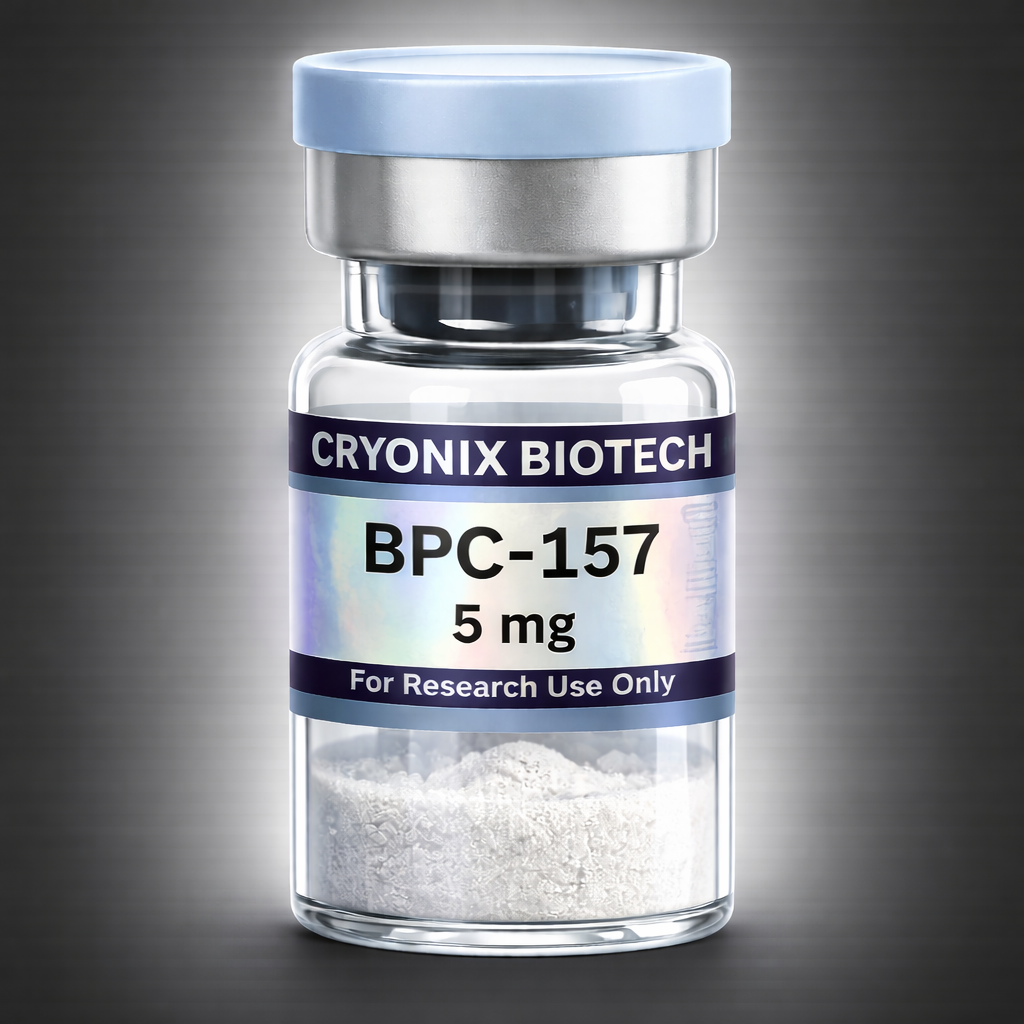

Why researchers are interested in BPC-157
BPC-157 is best known in research communities for tissue-repair models, recovery studies, and gastrointestinal research. Most of the published discussion is pre-clinical, so it should be treated as an experimental research compound rather than an approved medical treatment.
Musculoskeletal research
BPC-157 is commonly studied in relation to tendons, ligaments, muscles, and soft tissue repair models.
Gut health research
It is often discussed in connection with gastric protection, ulcer models, and gastrointestinal tissue repair pathways.
Recovery stacks
BPC-157 is frequently paired with TB-500, GHK-Cu, and growth-hormone-support peptides in recovery-focused research protocols.
Common BPC-157 research formats in Vietnam
Pricing below is listed as Vietnam reference pricing for research-use peptide formats. Availability, batch, and verification details may vary.
BPC-157
BPC-157
BPC-157 + TB-500
BAC Water
Common BPC-157 research-dose discussions
Research discussions vary widely, but BPC-157 is often talked about in the following general ranges. This is not medical advice, dosing instruction, or a treatment recommendation.
| Research Focus | Commonly Discussed Range | Notes |
|---|---|---|
| General recovery research | 250–500mcg daily | Often used as a conservative starting range in discussions. |
| Injury-focused research | 500–1000mcg daily | Commonly discussed for tendon, ligament, or soft tissue models. |
| Gut-focused research | 250–500mcg daily | Frequently discussed in gastrointestinal research contexts. |
BPC-157 calculations with 1mL or 2mL BAC water
These examples use a standard U100 insulin syringe, where 100 units = 1mL. The charts show common research-dose examples and how long each vial would last.
5mg vial + 1mL BAC water
| Research Dose | Units | Vial Duration |
|---|---|---|
| 250mcg | 5 units | 20 days |
| 300mcg | 6 units | 16–17 days |
| 500mcg | 10 units | 10 days |
| 1000mcg / 1mg | 20 units | 5 days |
5mg vial + 2mL BAC water
| Research Dose | Units | Vial Duration |
|---|---|---|
| 250mcg | 10 units | 20 days |
| 300mcg | 12 units | 16–17 days |
| 500mcg | 20 units | 10 days |
| 1000mcg / 1mg | 40 units | 5 days |
10mg vial + 1mL BAC water
| Research Dose | Units | Vial Duration |
|---|---|---|
| 250mcg | 2.5 units | 40 days |
| 300mcg | 3 units | 33 days |
| 500mcg | 5 units | 20 days |
| 1000mcg / 1mg | 10 units | 10 days |
10mg vial + 2mL BAC water
| Research Dose | Units | Vial Duration |
|---|---|---|
| 250mcg | 5 units | 40 days |
| 300mcg | 6 units | 33 days |
| 500mcg | 10 units | 20 days |
| 1000mcg / 1mg | 20 units | 10 days |
Need a different dose or vial size?
Use the PepsVN peptide calculator to calculate any vial size, BAC water amount, dose, and syringe-unit measurement.
1mL vs 2mL BAC water: which is easier?
Both 1mL and 2mL can work. The better choice depends on whether the priority is smaller injection volume or easier syringe measurement.
1mL BAC water
- Best for: Smaller injection volume.
- Tradeoff: The solution is stronger, so smaller doses may require fewer syringe units.
- Simple example: 5mg vial + 1mL = 500mcg at 10 units.
2mL BAC water
- Best for: Easier-to-see syringe measurements.
- Tradeoff: Injection volume is doubled compared with 1mL.
- Simple example: 10mg vial + 2mL = 500mcg at 10 units.
BPC-157 stacks and related peptides
BPC-157 is frequently discussed alongside other recovery-focused peptides, especially when the focus is tissue repair, tendon/ligament recovery, skin repair, or general recovery support.
Common BPC-157 stacks
- TB-500: Commonly paired with BPC-157 in tissue-repair and mobility-focused research.
- GHK-Cu: Often discussed for collagen, skin, wound-healing, and tissue-support models.
- Ipamorelin: Used in recovery-focused research discussions related to sleep, repair, and growth-hormone signaling.
- CJC-1295: Often discussed in broader recovery stacks involving growth-hormone pathway support.
Research-use disclaimer
BPC-157 is an experimental research compound. This page is provided for educational and research-information purposes only. It is not medical advice, not a treatment recommendation, and not intended to diagnose, treat, cure, or prevent disease.
How BPC-157 is believed to work
Nobody can honestly say BPC-157 is fully understood. If someone says they know exactly what it does in humans, they are probably also selling magic beans. What researchers do have is a good idea of the repair pathways it appears to influence.
1. It may support new blood vessel growth
Injured tissue needs oxygen and nutrients. That means blood flow matters. BPC-157 is often discussed for its effect on angiogenesis, which is just a fancy way of saying “building new tiny blood vessels.”
Research suggests BPC-157 may influence VEGF, one of the body’s main signals for telling nearby cells to start forming new blood vessels. More blood supply can create a better environment for repair.
2. It may help fibroblasts do their repair work
Fibroblasts are the cells that help rebuild connective tissue. When tendons, ligaments, or skin are damaged, fibroblasts move into the area and start laying down collagen.
BPC-157 is believed to support fibroblast migration and activity. In plain English, it may help the body send the repair crew where it is needed and keep them working more efficiently.
3. It may improve collagen remodeling
Collagen is the main structural protein in tendons, ligaments, skin, and other connective tissues. But healing is not just about making more collagen. The body also has to organize it properly.
BPC-157 is often researched for its relationship to collagen formation and remodeling. Poorly organized collagen is like a rushed construction job: technically built, but not exactly something you want to rely on.
4. It may calm excessive inflammation
Inflammation is not automatically bad. It is part of healing. The problem is when inflammation keeps going long after it has done its job.
BPC-157 appears to interact with inflammatory signaling pathways, including nitric oxide-related pathways. The goal is not to eliminate inflammation completely. The goal is to keep it from acting like an annoying house guest that refuses to leave.
5. It may protect the gut lining
BPC-157 originally became interesting because of its relationship to the stomach and gut. Unlike many peptides that break down quickly, BPC-157 is unusually stable in gastric juice.
Researchers have studied it in ulcer models, intestinal injury models, and other gastrointestinal repair settings. Before people started talking about bad knees and sore shoulders, the gut was already a major reason researchers cared about it.
6. It may interact with growth-factor signaling
Tissue repair depends on growth factors, cell movement, blood flow, and collagen turnover all working together. BPC-157 appears to influence several of these signals rather than acting through one simple pathway.
That is part of why it gets discussed so often in recovery research. It does not seem to be a one-trick pony. More like a very small, very complicated repair foreman.
All products and information referenced on this page are intended strictly for research purposes only. BPC-157 is not approved for human use and is not presented as a medical treatment. Nothing on this page is medical advice. The purchase, possession, sale, or use of peptides may be restricted or illegal in some jurisdictions. Readers are responsible for complying with local laws and regulations.