PEPSVN / GUIDES
Understanding sourcing risks
Know which questions to ask when reviewing a peptide source. This guide covers documentation, batch matching and common warning signs.
At a glance
- Documentation and traceability
- What a COA does and does not show
- Questions to ask a supplier
Choose a topic below to read more.
Overview & background
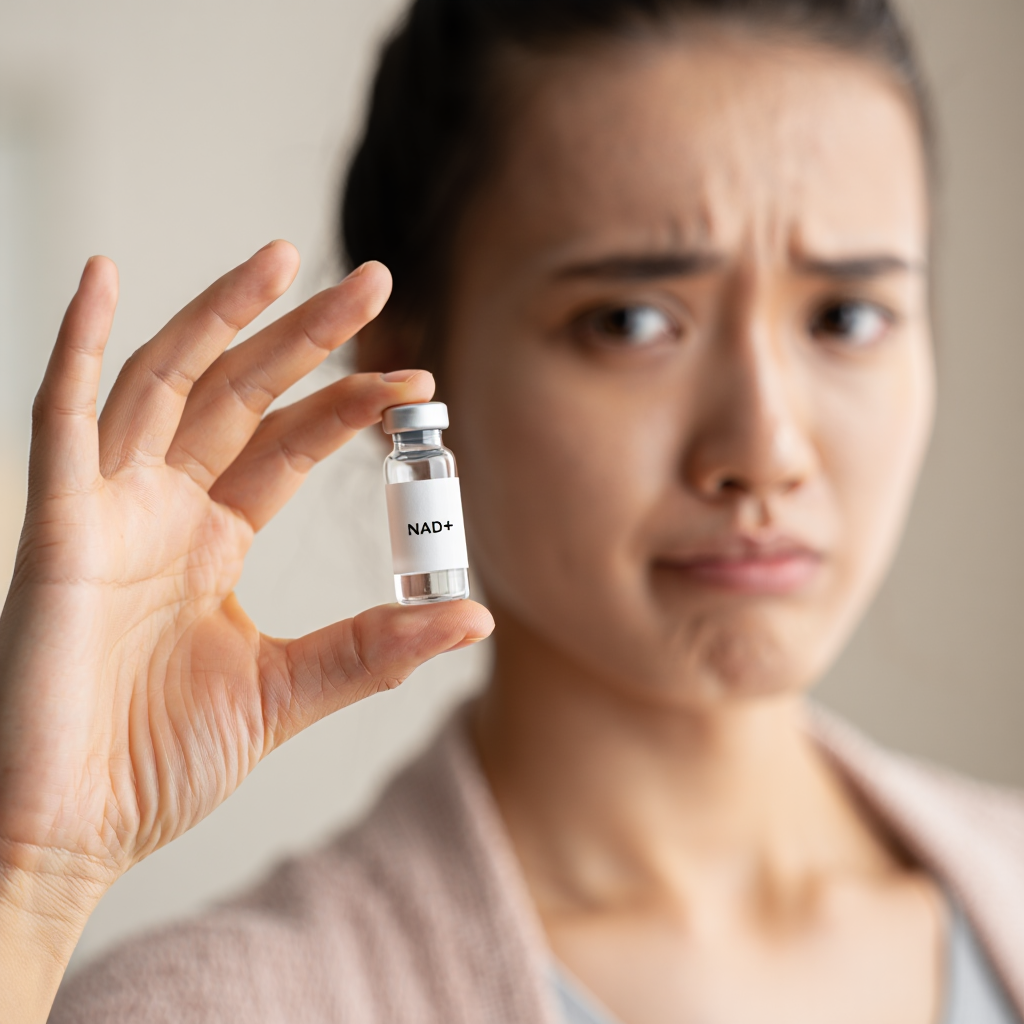
The biggest risk is not just picking the wrong peptide. It is trusting a vial when you do not really know what is inside, how it was made, how it was stored, or whether the label is telling the truth.
A nice sticker, a clean vial, and a seller saying “bro it’s legit” are not quality control. Shocking, I know.
A plain-English look at contamination, fake COAs, weak potency, storage problems, labeling mistakes, and how to spot a peptide source that deserves more questions.
Low price is not the problem. Low transparency is.
PepsVN is not built around premium markups or fancy reseller pricing. Our goal is fair pricing, clear communication, and consistent sourcing without pretending a vial becomes better just because someone charged more for it.
The real risk is not a reasonable price. The real risk is a source that cannot explain the product, match the batch, discuss storage, or show meaningful documentation.
Cheap mystery sources are risky. Fair pricing from a consistent source is different.
What can go wrong with unverified peptides?
These problems can come from poor manufacturing, weak testing, bad storage, fake labeling, careless shipping, or resellers who do not actually know where their products came from.
Wrong strength, weak potency, or no active ingredient
A vial may contain less peptide than the label claims, more than expected, or no active peptide at all. That means inconsistent results, wasted money, and no reliable way to know what is happening.
Contamination from poor production or handling
Unverified products may contain bacteria, fungi, endotoxins, dust, fibers, rubber particles, plastic fragments, glass particles, or other unwanted material. Most of this will not politely float to the top and introduce itself.
Unlisted or unknown ingredients
Products can be substituted, blended, contaminated between batches, or labeled incorrectly. Unknown ingredients create obvious problems because the buyer cannot judge interactions, sensitivity, concentration, or risk.
Bad storage before it reaches you
Peptides can be sensitive to heat, light, moisture, and time. A product may arrive looking normal even if the active compound has already weakened during production, shipping, or storage.
Fake, recycled, or mismatched COAs
A Certificate of Analysis only helps if it matches the actual product and batch being sold. A random screenshot from six months ago is not verification. It is decoration with numbers.
Poor labeling and confusing product identity
Wrong peptide names, unclear strengths, missing batch numbers, and vague storage instructions make it hard to know what the buyer is actually handling.
Why “cheap” can get expensive.
Low prices can be tempting. Everyone likes saving money. Nobody likes paying for a mystery vial with the quality-control standards of a garage smoothie stand.
A very cheap peptide can cost more in the long run if it is underdosed, degraded, contaminated, mislabeled, or inactive.
The better question is not only: “How much does it cost?” It is also: “Can the source show what this is, where it came from, and whether the batch has documentation?”
Fair pricing is good. Mystery pricing is not.
PepsVN keeps pricing reasonable by avoiding unnecessary premium markups, while still focusing on product identity, batch awareness, storage, and clear communication.
Lower markup
We do not believe a peptide automatically becomes better because someone adds a huge premium margin.
Still quality-focused
Fair pricing should still come with clear product identity, storage awareness, and batch-documentation awareness.
No miracle claims
Responsible peptide information should not sound like a late-night infomercial with syringes.
Purity percentage is not the whole story.
Buyers often focus on “99% purity,” but purity alone does not answer every safety or quality question.
A better sourcing process should care about identity, potency, purity, handling, storage, packaging, and batch traceability.

Simple red flags that should make buyers slow down.
A supplier does not need to be perfect, but these signs should make anyone ask more questions before trusting the product.
No batch information
No batch number means it is difficult to connect the vial to any real documentation.
Random COA screenshots
Screenshots without matching batch details do not prove much about the product being sold.
Unclear storage history
Heat, moisture, and long transit times can affect peptide stability and potency.
Pressure-based selling
If the seller avoids questions and only pushes urgency, that is not a great sign.
COAs matter, but matching matters more.

A Certificate of Analysis can help review identity, purity, and batch information. But the document is only useful if it actually belongs to the vial being sold.
A serious buyer should ask whether the COA is current, whether the batch matches, whether the product name and strength match the label, and whether the supplier can explain the documentation clearly.
COA verification does not replace legal or medical responsibility, but it is one of the strongest signs that a source takes quality control seriously.
Before trusting a peptide source, ask better questions.
You do not need to become a laboratory auditor. But asking a few basic questions can separate serious sources from “my cousin has a freezer and a Telegram group.”
Does the batch match?
The product name, strength, and batch details should match the documentation provided.
Is storage explained?
A serious source should understand refrigeration, handling, moisture, and basic peptide stability.
Are claims realistic?
Huge medical promises and guaranteed results are not professional. They are usually marketing with a lab coat.
Can they explain the product?
Clear peptide name, amount, category, and research context should not require a treasure hunt.
Do they answer questions?
If basic questions cause panic, defensiveness, or copy-paste nonsense, slow down.
Is the source consistent?
Random suppliers and constantly changing products make repeat quality harder to trust.
Keep researching before trusting a vial.
These PepsVN pages support this guide with more information about categories, legal context, reconstitution, storage, and common peptide questions.
The cheapest source is not always the best source.
Peptide sourcing is not just about price. It is about identity, batch documentation, storage awareness, clear communication, and whether the person selling it understands what they are selling.
Verify the batch
Look for documentation that actually matches the product and strength.
Understand storage
Peptides can degrade when handled poorly, even when the vial still looks normal.
Avoid miracle claims
Responsible peptide information should not sound like a late-night infomercial with syringes.
Want help understanding peptide sourcing in Vietnam?
Message PepsVN for research peptide information, availability questions, reconstitution resources, COA awareness, and help knowing what to look for before trusting a source.
Notes & references
PepsVN provides educational and research-information content only. Nothing on this page is medical advice, legal advice, veterinary advice, dosage guidance, treatment guidance, injection instruction, sourcing instruction, purchasing instruction, or a recommendation for human or animal use. Peptides and related compounds may be regulated differently depending on jurisdiction. Readers are responsible for understanding and complying with applicable laws and regulations.