
Retatrutide in Vietnam
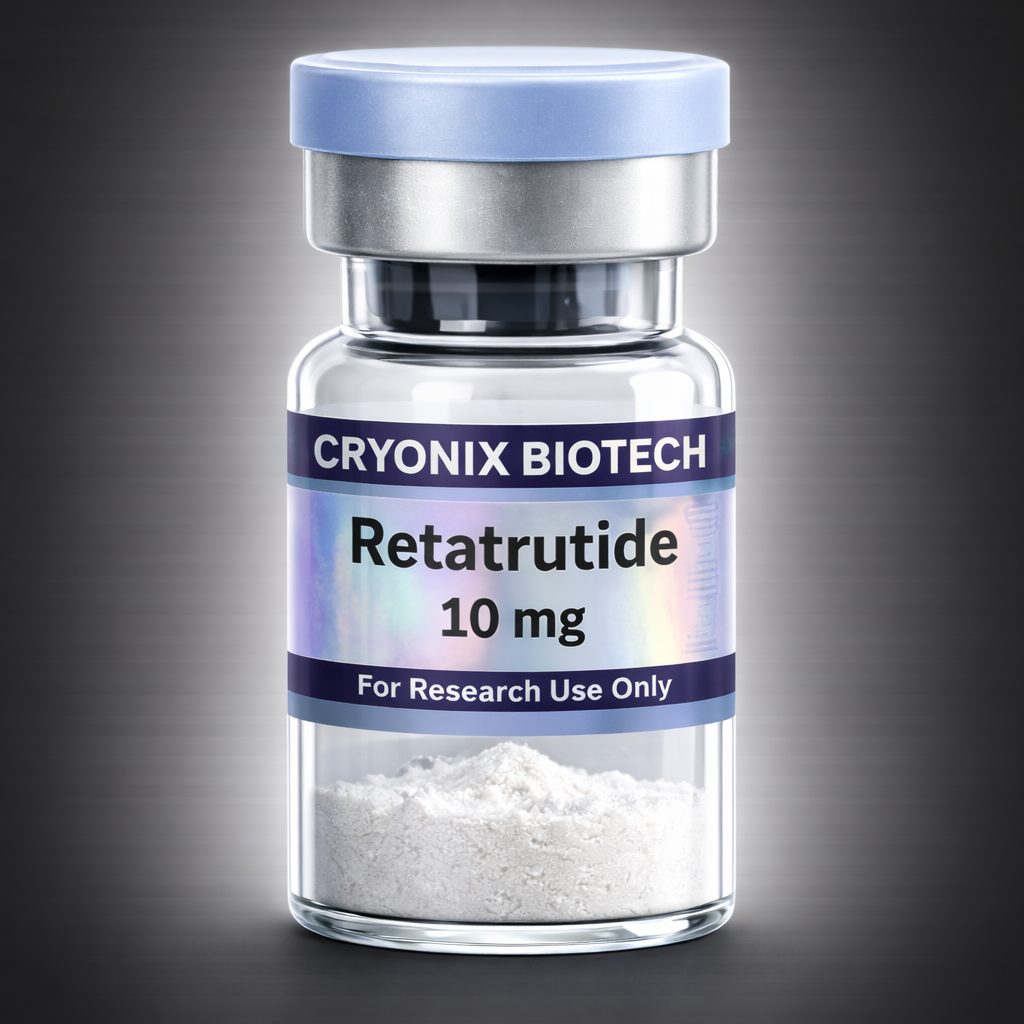
Retatrutide is an investigational metabolic peptide researched for obesity, type 2 diabetes, appetite regulation, energy expenditure, and body-composition pathways.
Most weight-loss peptides work through one or two main pathways. Retatrutide gets attention because it targets three: GLP-1, GIP, and glucagon. In plain English, researchers are interested because it may help reduce appetite, improve metabolic signaling, and increase energy expenditure at the same time.

Why researchers are interested in Retatrutide
Retatrutide is one of the most discussed next-generation metabolic peptides because it combines GLP-1, GIP, and glucagon receptor activity in one compound. That triple mechanism is what separates it from earlier single-pathway and dual-pathway research compounds.
Appetite regulation
The GLP-1 side is commonly discussed for appetite control, delayed gastric emptying, and food-intake regulation.
Metabolic signaling
The GIP side is researched for nutrient handling, insulin signaling, and how the body responds to incoming fuel.
Energy expenditure
The glucagon side is especially interesting because researchers discuss it in relation to increased energy expenditure and fat metabolism.
Common Retatrutide research formats in Vietnam
Pricing below is listed as Vietnam reference pricing for research-use formats. Availability, batch verification, and sourcing may vary.
Retatrutide
Retatrutide
BAC Water
Common Retatrutide research-dose discussions
Retatrutide is commonly discussed as a once-weekly research compound. Research conversations usually involve slow titration because appetite effects and gastrointestinal side effects can become stronger as exposure increases.
| Research Stage | Commonly Discussed Weekly Range | Notes |
|---|---|---|
| Introductory research | 0.5-1mg weekly | Often discussed as a cautious starting range. |
| Early titration research | 2-4mg weekly | Commonly discussed once tolerance has been evaluated. |
| Advanced research discussions | 6mg+ weekly | More aggressive research discussions. Side effects and nutrition become much more important. |
How Retatrutide differs from Semaglutide and Tirzepatide
Retatrutide is often compared with Semaglutide and Tirzepatide because all three are discussed in metabolic and body-composition research. The difference is the number of pathways involved.
| Compound | Main Receptor Activity | Research Focus |
|---|---|---|
| Semaglutide | GLP-1 | Appetite regulation, glucose control, delayed gastric emptying |
| Tirzepatide | GIP + GLP-1 | Dual-pathway appetite and metabolic research |
| Retatrutide | GLP-1 + GIP + Glucagon | Triple-pathway appetite, metabolism, and energy-expenditure research |
What researchers often discuss alongside Retatrutide
Retatrutide is usually discussed as the main metabolic compound in a research protocol. When researchers discuss stacking, the goal is usually body composition, energy support, muscle preservation, skin support, or recovery during rapid fat-loss models.
Retatrutide + MOTS-c
MOTS-c is commonly discussed for mitochondrial signaling, metabolic flexibility, and cellular-energy research. It is one of the most common companions in metabolic research discussions.
Retatrutide + GHK-Cu
GHK-Cu is often discussed for collagen, skin remodeling, and hair/scalp research, especially when rapid body-composition changes are part of the discussion.
Retatrutide + AOD9604
AOD9604 is discussed for fat-metabolism research, while Retatrutide is discussed for appetite and metabolic hormone pathways.
Retatrutide + Tesamorelin
Tesamorelin is often discussed for growth-hormone-axis and visceral-fat research, making it a common comparison in advanced body-composition protocols.
Retatrutide + HGH
HGH is discussed for recovery, lean-mass support, IGF-1 signaling, and body-composition research. This is a more advanced discussion and requires much more caution.
Retatrutide + 5-Amino-1MQ
5-Amino-1MQ is researched for NNMT inhibition and metabolic pathways, making it a frequent body-composition discussion alongside GLP-1-based compounds.
How Retatrutide is believed to work
Retatrutide is best understood as a triple agonist. That means it activates three receptor systems at once: GLP-1, GIP, and glucagon. Each one contributes something different to the metabolic picture.
GLP-1: appetite and gastric emptying
GLP-1 signaling is strongly associated with reduced appetite, increased satiety, and slower gastric emptying.
This is the part most people already understand from Semaglutide-style research. It helps reduce the “I could definitely eat more” signal, which is useful because that signal is often a liar.
GIP: nutrient handling
GIP is involved in insulin response, nutrient handling, and metabolic signaling.
Researchers are interested in GIP because it may help change how the body manages fuel after eating, especially when combined with GLP-1 activity.
Glucagon: energy expenditure
Glucagon is the pathway that makes Retatrutide especially interesting.
While GLP-1 mainly helps reduce intake, glucagon signaling is discussed for increasing energy expenditure and influencing fat metabolism. In other words, Retatrutide may not only help reduce the calories coming in, but may also affect how much energy the body burns.
Why the triple mechanism matters
Appetite, insulin signaling, energy expenditure, and fat metabolism are connected systems. Retatrutide is researched because it does not focus on only one of those systems.
That is why researchers often describe it as a next-generation metabolic peptide rather than just another GLP-1.
Why side effects get discussed
Retatrutide discussions often mention nausea, vomiting, constipation, diarrhea, appetite loss, and food aversion because GLP-1-based pathways affect the gut and appetite-control systems.
This is also why slow titration is such a common research topic. The body does not always appreciate being rushed.
Why nutrition matters
Strong appetite suppression can make it easier to undereat protein, micronutrients, electrolytes, and total calories.
In body-composition research, the goal is not simply making weight drop as fast as possible. The better question is what kind of weight is being lost, and what is being preserved.
Retatrutide calculations with 2mL BAC water
These examples use a standard U100 insulin syringe where 100 units equals 1mL. For Retatrutide 10mg and 20mg vials, 2mL gives clean, practical measurements for common weekly research amounts.
10mg vial + 2mL BAC water
| Dose | Units | Approx. Vial Duration |
|---|---|---|
| 0.5mg | 10 units | 20 doses |
| 1mg | 20 units | 10 doses |
| 2mg | 40 units | 5 doses |
| 3mg | 60 units | 3.3 doses |
| 4mg | 80 units | 2.5 doses |
20mg vial + 2mL BAC water
| Dose | Units | Approx. Vial Duration |
|---|---|---|
| 1mg | 10 units | 20 doses |
| 2mg | 20 units | 10 doses |
| 3mg | 30 units | 6.7 doses |
| 4mg | 40 units | 5 doses |
| 6mg | 60 units | 3.3 doses |
10mg or 20mg?
The 10mg vial is usually easier for lower research amounts because the syringe measurements are larger. The 20mg vial is more practical once research amounts move higher because the same dose requires fewer units and the vial lasts longer.
Need different calculations?
Use the PepsVN peptide calculator to calculate any vial size, BAC water amount, dose, or syringe-unit measurement.
What researchers actually know so far
Retatrutide remains an investigational research compound and is not approved as a medical treatment for human use in most markets.
It is widely discussed because of its triple GLP-1, GIP, and glucagon receptor activity and because clinical research has shown strong weight-loss potential compared with earlier metabolic peptides.
The science is exciting, but it should not be treated casually. A compound that strongly affects appetite, digestion, glucose handling, and energy balance deserves more respect than “just take more and see what happens.”
All products and information referenced on this page are intended strictly for research purposes only. Retatrutide is an investigational research compound and is not presented as a medical treatment, weight-loss treatment, diabetes treatment, or therapeutic recommendation. Nothing on this page is medical advice, diagnosis, treatment guidance, or a recommendation for human or animal use. The purchase, possession, sale, or use of research compounds may be restricted or illegal in some jurisdictions. Readers are responsible for complying with local laws and regulations.